Enzyme Laundry Detergent and Enzyme Stain Removers
Biological detergent has carried enzymes for decades. It is the cheapest enzyme cleaner most households already own.
Biological laundry detergent is an enzyme cleaner and has been one for decades. You may already own two versions of the same technology. A specialist enzyme spray for protein stains and a box of biological detergent do the same job, at very different prices.
The enzyme fraction is tiny and that is normal rather than a scandal. Finished cleaning products run 0.007 to 0.1 percent subtilisin by the A.I.S.E. survey the HERA risk assessment cites, and the other classes run lower still. Enzymes are catalysts, so they are not consumed. The useful question is which one is present and whether the wash gives it time, never how much of the bottle it fills.
Soak, do not scrub, and give it time. The single most effective change on a protein stain is a longer soak rather than a hotter cycle, because the reaction runs only while the fabric is wet.
A small number of people react to enzymes on skin. The answer there is a non-biological detergent and a longer soak, not a different enzyme brand.
Heat guidance is product-specific. Rocco and Roxie says high heat in a steam cleaner deactivates its biological ingredients, while detergent amylase operates across a broader temperature range.
Which Laundry Detergents Are Enzymatic?
Anything sold as biological, and most mainstream powders and liquids that are not sold as free-and-clear or non-biological. What no consumer label does is name the enzyme. We read the 2017 and 2019 Nature's Miracle safety data sheets, the 2022 Rocco and Roxie sheet, Bissell's 77X7 sheet and both public ingredient lists. Not one names an actual enzyme. Rocco and Roxie's list reads "Advanced Biological Blend". Nature's Miracle's reads "Enzymatic Blend".
Meanwhile the industrial trade names are public and have been for years: Savinase, Everlase and Esperase for proteases, Termamyl and Stainzyme for amylases, Lipex and Lipolase for lipases. None of them has appeared on a consumer bottle. Here is what each class actually does, which is the part the label leaves out.
The trade-name gap has a consequence beyond curiosity. A detergent buyer who reacts badly to one enzyme class cannot shop around it, because no consumer bottle says which classes are inside. The only lever the label offers is the whole category, biological or non-biological. That is a blunt instrument, and it is the entire instrument. The same gap caps any comparison between a consumer detergent and a trade blend, because neither side publishes what the comparison would run on.
| Protease | Breaks down protein, which covers blood, sweat, egg, milk, urine and grass. |
|---|---|
| Amylase | Breaks down starch, which is most of what gets spilled at a kitchen table. |
| Lipase | Breaks down fats and oils, which is what leaves the gray ring on a collar. |
| Cellulase | Shaves fuzz off cotton fiber, releasing trapped soil rather than removing a stain. |
Is OxiClean an Enzymatic Detergent?
It depends on the formula. The classic OxiClean powders release oxygen to bleach a stain lighter, which is oxidation rather than hydrolysis, and no manufacturer document we could read discloses enzymes in them. Max Force Laundry Stain Remover Spray is the exception: OxiClean's own US stain guide names protease, amylase and mannanase in it. Oxidation is a real mechanism and on some jobs it is the better one. On a colored mark you want gone today, an oxidizer is faster. On a smell in fabric that keeps coming back, it treats what it can reach and the source stays. Both facts fit on the same page, and the same reasoning applies to vinegar.
The two mechanisms sort jobs cleanly. Oxidation is fast and indifferent to anything it cannot touch, which makes it strong on dye-like marks and on the small sulfur molecules behind onion and skunk smells. Hydrolysis is slower, specific and permanent on the polymers it can cut, which is the protein, starch and fat family that makes up most wearable dirt. That is why an oxygen booster brightens and a biological detergent deep-cleans, and why a laundry shelf often has room for both.
Sequence matters when both are in the house. An oxidizer residue in fabric is hostile ground for an enzyme or a bacterial product applied afterward, so rinse the one out before treating with the other. And a smell that survives a wash is usually a contact-time question rather than a cycle question. The enzyme needs hours in water, and a standard cycle hands it minutes where a soak hands it an evening. A presoak restores what a quick cycle removes, and it costs nothing but planning ahead. The soak comes first, and the cycle finishes what it started.
When an Enzyme Detergent Is the Wrong Choice
Every row in that table is the specificity rule wearing clothes. Protease cannot tell a bloodstain from a wool sweater, and cellulase cannot tell lint from a hemp shirt. No enzyme in any bottle has a bond to cut in rust or scale. The wrong-choice rows are not product failures. They are the same chemistry doing exactly what it was formulated to do, aimed at the wrong fiber or the wrong soil.
The skin row is different and worth its own attention. A household that reacts to a biological detergent is reacting to the enzyme, not to one brand's formulation, so switching labels inside the biological aisle spends money without changing the exposure. The non-biological shelf plus a longer soak is the fix, and it costs less than the search for a tolerable brand.
| Wool and silk | A neutral non-enzyme detergent. Protease digests protein, and both fibers are protein. |
|---|---|
| Hemp, linen and delicate cottons | Non-biological. Cellulase acts on cellulose. Jungmaven, a hemp apparel maker, instructs owners not to use "products with enzymes" on its fabric. |
| Enzyme-sensitized skin in the house | Non-biological detergent and a longer soak. Changing brands within the biological aisle changes nothing. |
| Rust marks and hard water staining | Acid. There is no bond in a mineral deposit for any enzyme to cut. |
| Onion, garlic or skunk in fabric | A peroxide oxidizer. Those smells are sulfur compounds and oxidation destroys them on contact. |
Buyer-rating evidence for Enzyme Laundry Detergent
Ordered from the published retailer rating and the size of its cited buyer pool. This is not a product test. Ignore the sticker on concentrates: at 1:64 a fifty-dollar gallon costs about a penny per diluted ounce, and the dilution ratio decides.
Laundry ratings are the noisiest evidence in the category, and they are still evidence. A detergent gets used weekly on mixed loads at unknown doses in machines of every age. An average across a large pool is the average of thousands of unmatched experiments. The useful signal survives that noise anyway. A pool that stays high across tens of thousands of loads describes a product that works under ordinary, careless, real conditions. That is the only condition a detergent ever meets.
The comparison to hold in mind while reading the cards is the one the whole category rests on. A biological detergent and a specialist enzyme spray carry overlapping chemistry for protein stains, and the detergent is bought by the pound for a job it already does. A specialist spray earns its shelf only where the stain sits on something that cannot go through a machine, which is a shorter list than the spray aisle implies.
Treat price by the load rather than by the bottle. Concentrated formats and larger packs move the per-wash cost more than any brand choice does, and the enzyme fraction of the formula is a rounding error by design. The card tells you what other buyers found. The per-wash arithmetic tells you what you agreed to pay, and it is the number that compounds.
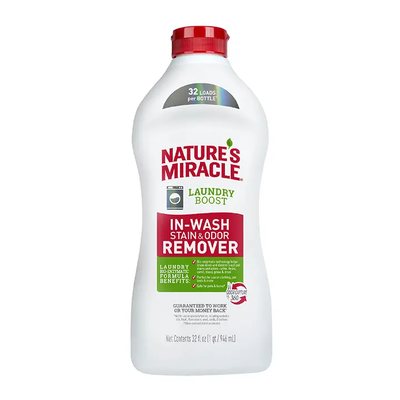
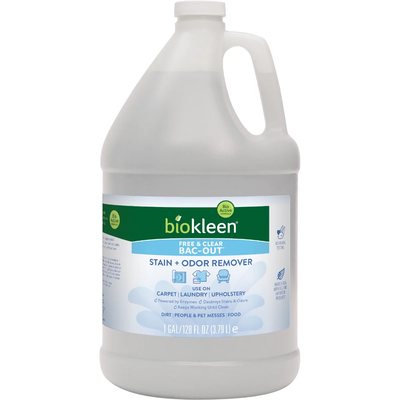
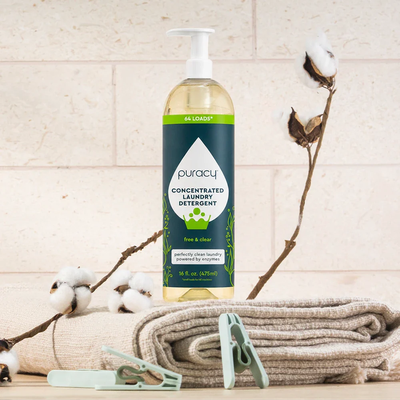
What the cited evidence supports: A biological detergent and a long soak beats a specialist enzyme spray on blood, sweat and grass, and it costs a fraction as much.
What would change this conclusion: A controlled wash test showing a specialist enzyme spray outperforming an equivalent soak in biological detergent on the same protein stain.
What we could not verify: That heat sets a protein stain permanently. No manufacturer document or peer-reviewed source we read states it, and the claim has been removed from this hub.
Every Laundry Detergent With Enzymes We Track, With Prices
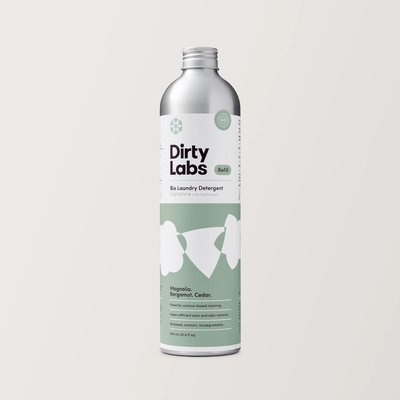
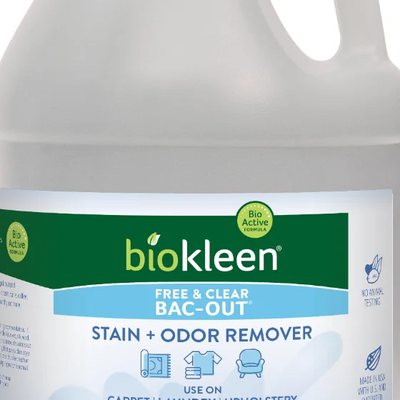
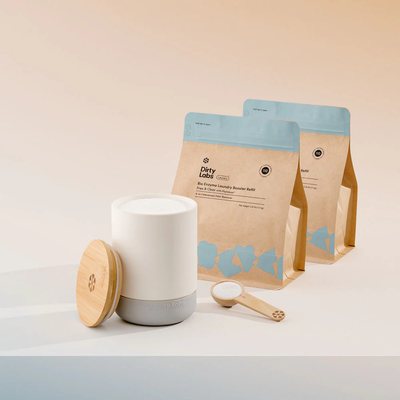
This grid is the full laundry category as we track it: detergents, additives and stain removers that carry enzymes or are sold as enzymatic. Each is priced where a price is published and rated where a retailer publishes a count. Formats mix freely here, powders, liquids, pods and pre-treats, so the unit that makes rows comparable is the job rather than the container.
Start with the format the wash actually needs. A biological detergent does the everyday work in the drum, and an oxygen booster brightens what oxidation can reach. A pre-treat spray buys contact time on a set stain before the cycle. Enzyme content overlaps across all three, which is why two of them often outperform one, and why the detergent is the base purchase rather than the add-on.
Reading the prices, compare per wash and never per bottle. A compact concentrate that looks expensive next to a bargain powder is often cheaper per load at the labeled dose, and the label dose is the number that settles it. Where a card carries no price, the listing published none at read time, and the row keeps its place for completeness.
For set protein stains, the grid plus a soak outperforms any single hero purchase. The enzymes need hours in water, the detergent supplies them by the pound, and the extra step is a bucket rather than a bottle. That is the cheapest upgrade a laundry routine can buy.
How to Get Blood, Sweat and Protein Stains Out With Enzymes
Enzyme Detergent for Blood Stains
Blood is the one soil in this category where the enzyme and the stain match exactly. The order of operations is what people get wrong.
Read the guideEnzyme Cleaner for Sweat Stains and Gym Smell
Body oil binds into synthetic fiber, and a normal wash cycle is too short to take it apart.
Read the guideBio Enzyme Laundry Detergent: What It Actually Does
Biological means enzymes are in it. Which enzymes, and how much, is the thing no label tells you.
Read the guideEnzyme Cleaner for a Washing Machine That Smells
The smell is a film on the door gasket, the dispenser and the outer drum, and most of it is reachable by hand.
Read the guideThe guides underneath this grid share one spine: the enzymes need wet hours, and a wash cycle alone is too short to give them. A presoak in the bucket is the step that turns a decent result into a complete one, and it costs nothing but the wait. Cold water first matters most on blood, and the dryer is the one-way door to check before walking through it. Every guide here ends with the same check.
Sweat, blood and grass each name a different enzyme on the label, and the stains that mix them are why blended formulas exist. Match the product to the soil in front of you rather than to the bottle with the boldest front label, and give whichever one you choose the soak it asks for. The bucket decides more than the brand does.
Sources
| Claim | Citation | Tier | Read |
|---|---|---|---|
| Finished cleaning products run 0.007 to 0.1 percent subtilisin | A.I.S.E. survey reported in the HERA risk assessment, protease | Direct or original source | |
| Detergent amylase is formulated to run between 86F and 140F | Detergent enzyme supplier specification range | Direct or original source | |
| No consumer label we read names an enzyme | Nature's Miracle 2017 and 2019 SDS, Rocco and Roxie 2022 SDS, Bissell 77X7 SDS, both public ingredient lists. No California SB 258 check was run, so this is not located rather than does not exist | Direct or original source | |
| Savinase, Termamyl, Lipex and the rest are the industrial trade names by class | Enzyme supplier patent application listing the commercial catalog | Direct or original source | |
| High heat in a steam cleaner deactivates the product's biological ingredients | Rocco and Roxie product FAQ | Direct or original source | |
| Do not use products with enzymes on hemp fabric | Jungmaven hemp fabric care instructions | Direct or original source |